
Plano's median home was built in 1993, and a 30-year-old slab house on clay soil has usually had at least one water event: a slab leak, a hail roof, an AC drain overflow, a pipe that split in February 2021. If any of those left mold, the question when you list is what to tell buyers and what paperwork to have ready. This guide covers the two Texas rules that matter, how buyers check, and how to fix a problem before the sign goes up. It is general information, not legal advice; a Texas real estate attorney or your agent can advise on your transaction.
Plano Mold Experts is a free quote service connecting Plano and Collin County homeowners with independent, TDLR-licensed Texas mold assessment and remediation companies. We are not a brokerage, an inspector or a contractor.
Rule 1: hand over every certificate from the past five years
Texas Occupations Code 1958.154(b) is short and specific. If a property owner sells property, the owner shall provide the buyer a copy of each Certificate of Mold Damage Remediation issued for the property during the five years before the sale. TDLR's rules repeat the same duty (16 TAC 78.150(e)).
The certificate, TDI form MDR-1, is the document a licensed remediation company must give the owner within 10 days of finishing any licensed mold job. Its top section is signed by the remediator and by the licensed assessment consultant who performed the clearance, stating that the mold was remediated according to the protocol and, with reasonable certainty, that the underlying cause was treated so mold will not return. Two things follow for sellers:
- If you had a licensed job done, find the certificate now. If you cannot, ask the remediation company; both parties are required to keep copies.
- If a company did 25 square feet or more of mold work and never gave you a certificate, that was a violation on their part, and you are missing the document that makes the history a non-issue.
Why buyers want it. Texas Insurance Code 544.303 bars insurers from making an underwriting decision on a residential policy because of prior mold damage or a mold claim when the home was remediated as evidenced by that certificate. For the buyer, the certificate turns "this house had mold" into "this house had mold, it was fixed to the state standard, and my insurer cannot hold it against me." That is worth far more than a verbal assurance.
Rule 2: the Seller's Disclosure Notice covers the water, not the word
Texas Property Code 5.008 requires most sellers of a single-family home to give buyers a written Seller's Disclosure Notice on or before the effective date of the contract. If it is not delivered, the buyer may terminate within seven days of receiving it. The statutory form asks about things like previous flooding, water penetration, roof and structural repairs and other known conditions.
Notice what that means. The disclosure form addresses the leak, the roof claim and the repair history; the certificate rule addresses the mold job itself. A seller who answers the water questions truthfully and attaches the certificates has covered both. A seller who had a slab leak, dried it out and never dealt with the mold behind the baseboard has a water penetration event to disclose and, possibly, a problem the buyer's assessor will find anyway.
Buyers also ask directly. Answer plainly and keep the paper trail: plumber invoices, roofing contracts, the assessor's report, the protocol, the certificate.
How buyers check for mold in Texas
A standard pre-purchase home inspection is not a mold assessment. In Texas, inspecting or sampling a building for mold for hire requires a TDLR mold assessment license (Occupations Code 1958.101), so a buyer who is worried hires a licensed mold assessor, often after the general inspector flags moisture or staining. That assessor will:
- read moisture in walls, floors and ceilings, which is how a past slab leak or a wet wall cavity shows up even behind fresh paint;
- look in the attic for staining on the decking and matted insulation under the air handler;
- ask about the history and compare answers with what the meter shows;
- sample air or surfaces if something is hidden, though EPA and TDLR both say sampling is usually unnecessary when mold is visible.
Painting over mold does not pass this test; TDLR says bleach without removing the source is not a lasting fix, and a moisture meter does not care about paint. See mold inspection and testing in Plano for what an assessment involves.
Fixing mold before you list: the Texas sequence
Fix the water source
Plumber for a slab leak, roofer for the hail roof, AC contractor for the condensate line. In Plano these trades pull their own city permits; mold cleanup itself usually needs none. Keep the invoices for the disclosure file.
Licensed assessment and protocol
At or near 25 contiguous square feet, a TDLR-licensed assessment consultant inspects and writes a remediation protocol. Under that size you may clean it yourself or hire anyone, but a licensed assessment still gives you a report to show buyers.
Remediation by a separate licensed company
Texas law bars the same company from assessing and remediating one project. The remediator notifies TDLR five days ahead, sets containment, removes the damaged material and cleans per the protocol.
Clearance and certificate
The assessor confirms the job passed clearance, and the remediator gives you the Certificate of Mold Damage Remediation within 10 days. This is the document you hand to the buyer.
Rebuild and photograph
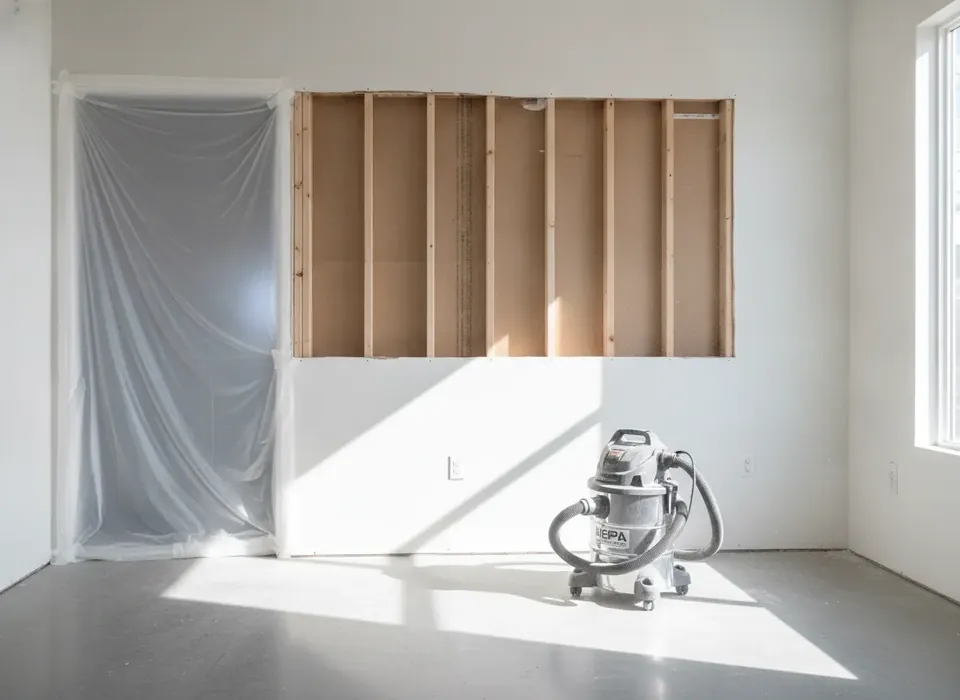
Drywall, flooring and paint by registered contractors. Photograph the open walls before they are closed; buyers and their assessors appreciate seeing clean framing.
What it costs versus what it saves
| Item | Typical published range | Source |
|---|---|---|
| Licensed assessment and protocol | $303 to $1,044 (avg about $670) | HomeAdvisor 2025 |
| Small area, about 50 to 100 sq ft | $500 to $2,500 | This Old House 2026 |
| Bathroom | $500 to $1,500 | Fixr 2025 |
| Typical whole job | $1,500 to $9,000 | Fixr 2025 |
| TDLR notification fee (25+ sq ft) | $25 | TDLR |
Typical published ranges, not quotes (Fixr Aug 2025, This Old House Mar 2026, HomeAdvisor 2025). Plano quotes come from the companies, not from this site. Plumbing, roofing and rebuild are separate.
Against that, a buyer with an unresolved mold finding asks for a repair credit sized to their worst case, demands remediation with a certificate before closing, or walks. A lender may also condition the loan on the fix. Numbers and a calculator are in the Plano mold remediation cost guide.
Two Plano-specific notes. A home with a burst pipe from February 2021 that a licensed company repaired has a certificate inside the five-year window, so it must be handed over; if nobody opened the walls, a moisture survey before listing tells you whether there is anything to disclose. And homes built before 1978 add two questions for any pre-sale tear-out: whether the contractor is an EPA Lead-Safe Certified firm, and whether 1970s texture or flooring should be sampled for asbestos first. Ask; they are not blanket requirements.
Frequently asked questions
Do I have to disclose past mold when selling a house in Texas?
You must give the buyer a copy of every Certificate of Mold Damage Remediation issued for the property in the five years before the sale (Occupations Code 1958.154(b)). The general Seller's Disclosure Notice under Property Code 5.008 asks about water penetration, prior repairs and similar conditions, which usually covers the leak behind the mold. Answer those questions truthfully; a real estate attorney can advise on your specific situation.
Can you sell a house with mold in Texas?
Yes. There is no Texas law that bars selling a home with mold or a mold history. The practical issues are price, financing and disclosure: lenders and buyers may require remediation before closing, and known conditions must be disclosed truthfully. Fixing the water source and getting a licensed job done with a certificate usually costs less than the discount a buyer will demand.
Does a mold certificate help the buyer get insurance?
Yes. Under Texas Insurance Code 544.303, an insurer may not make an underwriting decision on a residential policy based on previous mold damage or a mold claim when the property was remediated as shown by a Certificate of Mold Damage Remediation, or when an independent assessor or adjuster found no evidence of mold damage. That is the certificate's main purpose, and it transfers with the house.
What if the mold was cleaned up without a licensed company?
If it was under 25 contiguous square feet, no license was required and no certificate was ever due. Texas rules do allow a licensed assessment consultant to sign the lower section of the certificate form stating there is no evidence of mold damage after an inspection. A seller with a past DIY cleanup can hire a licensed assessor for that inspection and offer the result to buyers.
Get the job done, and documented, before you list
Describe the history, the rooms involved and what you can see, and independent, TDLR-licensed Texas assessment and remediation companies serving Plano, Frisco, McKinney, Allen, Richardson and the rest of Collin County will reply with free quotes. Request a free quote or call (972) 472-8749. For what the certificate itself contains, read the Certificate of Mold Damage Remediation explained, and see mold removal and remediation in Plano for the service page. General information, not legal advice.